
Summer is a time for sunshine, family fun, and a break from the usual school-year routine. While preschoolers absolutely benefit from rest and play, long periods without learning opportunities can sometimes lead to what educator’s call “summer learning loss” or “summer regression.” This happens when children lose some of the skills and routines they developed during the school year due to a lack of consistent practice and engagement.
The good news is that preventing summer learning loss does not require strict schedules or formal lessons. In fact, young children learn best through everyday experiences, play, exploration, and conversation. By incorporating simple educational activities into your child’s summer routine, you can help keep their minds active while still enjoying all the fun that summer has to offer.
Why Summer Learning Matters
Preschoolers are constantly building foundational skills in language, communication, problem-solving, fine motor development, and social-emotional growth. During the summer months, maintaining opportunities for learning helps children:
- Stay confident in their abilities
- Maintain routines and structure
- Continue building vocabulary and communication skills
- Enter the new school year feeling prepared and comfortable
Keeping learning light, playful, and engaging is the key.
Simple Ways to Prevent Summer Learning Loss
Read Every Day
Reading together is one of the most effective ways to support learning during the summer. Even just 15–20 minutes a day can help strengthen vocabulary, listening skills, comprehension, and imagination.
Try:
- Visiting your local library
- Creating a cozy reading corner at home
- Letting your child choose books that interest them
- Asking questions while reading to encourage conversation
Incorporate Learning into Everyday Activities
Learning opportunities are everywhere. Everyday tasks can become fun educational moments without children even realizing they are learning.
Examples include:
- Counting fruit at the grocery store
- Identifying colors and shapes during walks
- Measuring ingredients while cooking
- Talking about weather, plants, or animals outdoors
These conversations help build language and critical thinking skills naturally.
Encourage Creative Play
Open-ended play encourages problem-solving, imagination, and independence. Activities like building blocks, pretend play, drawing, sensory bins, and crafts all support cognitive development while keeping children engaged.
Summer-themed crafts, water play, and outdoor obstacle courses are great ways to combine creativity with movement and learning.
Maintain Some Routine
Summer schedules may be more relaxed, but maintaining a predictable routine can help preschoolers feel secure and prepared for future transitions. Consistent bedtimes, mealtimes, quiet reading time, and play periods provide structure while still allowing flexibility.
Keep Social Skills Growing
Social-emotional development is just as important as academic growth. Arrange playdates, attend community activities, or participate in summer programs where children can continue practicing communication, cooperation, and friendship-building skills.
Learning Through Play Matters
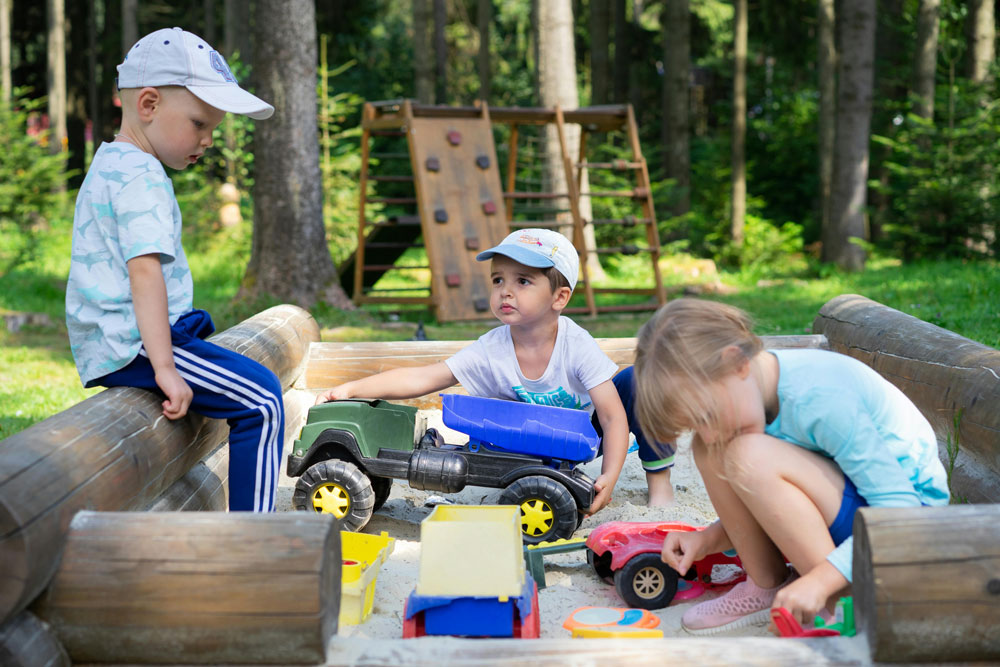
Preschool-aged children do not need worksheets or long lessons to keep learning over the summer. In fact, play-based learning is one of the most effective ways for young children to develop skills naturally and joyfully.
At Les Enfants, we believe summer is an opportunity for children to continue exploring, creating, and growing through meaningful experiences. By combining fun with learning, children can head into the new school year feeling confident, curious, and ready to succeed.
Preventing summer learning loss does not have to feel overwhelming. Small, consistent opportunities for reading, conversation, exploration, and play can make a big difference in keeping preschoolers engaged and learning throughout the summer months.