
Encouraging Quiet & Independent Playtime While Adults Are Busy
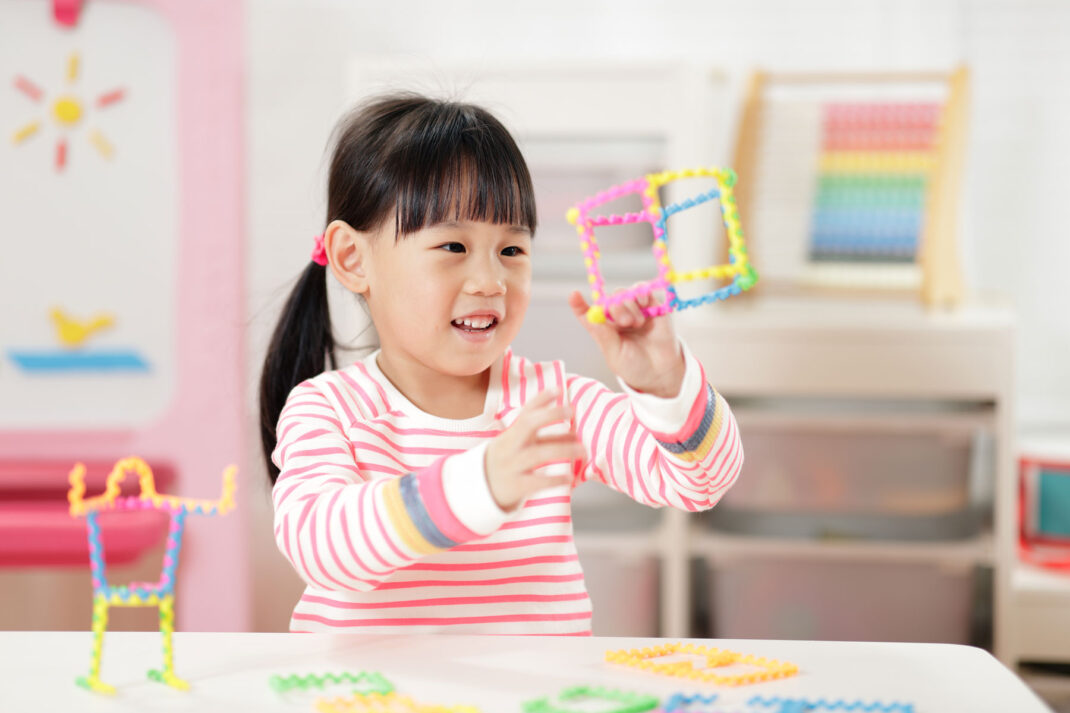
In today’s busy world, parents often juggle work, household responsibilities, and family life all at once. For many, finding ways to keep preschoolers happily occupied without relying on screens can feel like a challenge. The good news is that quiet, independent play doesn’t just give parents a much-needed moment — it also supports a child’s development, creativity, and self-confidence.
Learning how to play independently is an important skill for preschoolers. It encourages focus, problem-solving, and imagination while helping them feel comfortable entertaining themselves. With a few simple strategies, parents can create an environment that promotes calm, screen-free playtime that benefits both child and parent.
1. Start with Short Play Sessions
If your preschooler isn’t used to playing independently, start small. Encourage 5–10 minutes of solo play and gradually increase the time. Let your child know that you’ll be nearby, which helps them feel safe and supported. Over time, they’ll build confidence and enjoy the sense of independence that comes from self-directed play.
2. Create a Calm and Inviting Space
Designate a quiet corner or area in your home for independent play. Fill it with safe, open-ended toys that encourage imagination and exploration, such as:
- Building blocks or magnetic tiles
- Simple puzzles
- Pretend play items (like dolls, toy food, or dress-up pieces)
- Art materials such as crayons, paper, and stickers
Keeping the space organized and free from distractions helps children focus better and engage more deeply with their activities.
3. Rotate Toys to Keep Things Fresh
Children often lose interest when surrounded by too many options. Rotating toys every week or two can reignite curiosity and make familiar items feel new again. When children rediscover toys they haven’t seen in a while, they’re more likely to immerse themselves in creative play.
4. Encourage Open-Ended Play
Open-ended play materials allow children to use their imagination instead of following fixed rules or instructions. Toys like blocks, playdough, or fabric scraps can become anything they imagine — a castle, a rocket, or even a magic forest. This type of play builds creativity, patience, and critical thinking skills, all while keeping them entertained independently.
5. Model and Praise Independence
Show your child that it’s okay — and fun — to play alone. Spend a few minutes joining their play before quietly stepping away. When you return, acknowledge their effort: “You built that all by yourself! I love how focused you were.” Positive reinforcement helps children take pride in their independence.
6. Use Quiet Time as a Daily Routine
Make independent play a regular part of your child’s day, perhaps after lunch or before dinner. A predictable routine helps preschoolers understand when it’s time for quiet play and makes it easier for parents to plan their own breaks or tasks.
Encouraging quiet, independent play takes a little patience and structure, but the rewards are well worth it. Your preschooler will develop creativity, focus, and self-confidence — all while learning to enjoy their own company.
At Les Enfants, we believe that independent play is an important part of early childhood development. Our programs encourage exploration, imagination, and self-guided learning every day. For more resources and parenting tips, visit our blog page.
Related Posts
All Posts
Helping Preschoolers Adjust to Changing Routines and Schedules

Strengthening Parent-Child Bonds Through Daily Routines